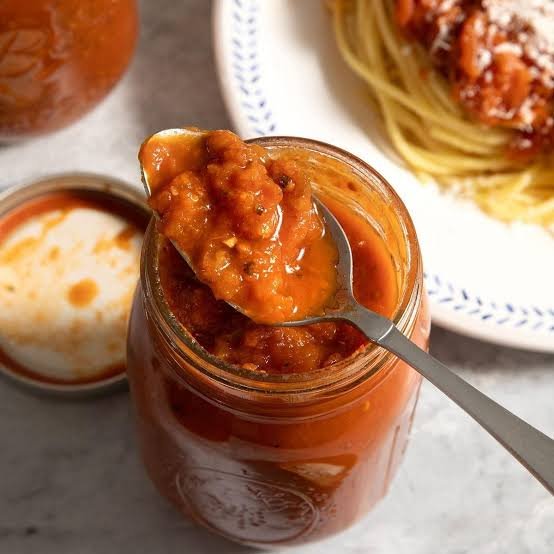
Making your own canned tomato sauce at home is one of the most rewarding kitchen projects you can try, even if you are still learning the basics of cooking. At its heart, this recipe turns fresh, ripe tomatoes along with simple pantry aromatics like garlic, sweet onions, olive oil, and fragrant herbs into a smooth, rich, and deeply flavorful sauce that you can seal in jars and keep on hand for months. Instead of relying on thin, overly acidic, or overly salty store jars that taste flat after a few bites, you control every single flavor and ingredient from start to finish. You decide how garlicky or mild you want it, how smooth or slightly rustic the texture should be, and how much sweetness or herb warmth goes into every batch. When you open a jar of your own sauce weeks or months later, the bright, sun kissed aroma of tomatoes fills your kitchen in minutes, giving you a head start on pasta night, baked ziti, pizza, meatballs, shakshuka, or cozy soups without starting from scratch every time.
People love this canned tomato sauce recipe because it brings together comfort, convenience, and real homemade taste in a way few other kitchen staples can. Busy weeks happen to everyone, and having shelves lined with jars of ready to use tomato sauce makes weeknight cooking feel calm instead of rushed. When you get home tired after work, school, or errands, you do not have to chop ten vegetables or simmer a pot for two hours just to get dinner on the table. You simply pop open a jar, warm the sauce gently in a pan, toss it with hot noodles or spoon it over roasted vegetables and chicken, and enjoy a meal that tastes like you spent all afternoon cooking. Beyond convenience, there is a deep sense of pride and joy in seeing rows of ruby red jars lined up on your counter or pantry shelf, knowing you made real food with your own two hands and saved money while doing it.
There are so many wonderful reasons and moments to make this sauce, whether you are drawn to the emotion of home cooking, the rich savory taste, or the everyday fitness and wellness perks of eating whole plant ingredients. Emotionally, cooking from scratch connects you to slow, grounding traditions and turns an ordinary weekend afternoon into something warm, peaceful, and purposeful. You can put on your favorite playlist, invite family or friends to help peel or stir, and fill your home with comforting kitchen scents that make everyone feel cared for. Taste wise, slow simmering concentrates the natural sugars and umami of ripe tomatoes so the sauce tastes rounded, velvety, and full bodied rather than sharp or tinny. From a fitness and healthy eating angle, making your own sauce lets you keep added sugar and heavy sodium low while packing your meals with lycopene, vitamin C, potassium, and fiber from whole tomatoes and olive oil, which supports heart health, post workout recovery, and balanced, satisfying meals without heavy cream or processed additives.
Whether you are a brand new cook making your first batch of sauce or a home cook looking for a dependable, foolproof method you can come back to every season, this guide walks you through everything step by step. We will cover every ingredient you need, clear instructions for preparing the tomatoes and processing the jars safely, why this sauce stands out, creative ways to customize the flavor, nutrition estimates, and helpful tips so your jars turn out great every time. Take your time, read through the steps before you start, gather your bowls and pots, and get ready to fall in love with homemade canned tomato sauce.
Ingredients You Will Need
To make about 6 to 7 pint jars (or roughly 3 to 4 quart jars, depending on how thick you simmer the sauce and how tightly you pack your tomatoes), gather these ingredients before you begin:
-
12 pounds fresh ripe plum or Roma tomatoes (about 5.4 kilograms, chosen because they have fewer seeds and thick flesh)
-
3 tablespoons extra virgin olive oil (45 milliliters, or high heat neutral oil if preferred)
-
1 large yellow onion, finely diced (about 1.5 cups or 225 grams)
-
6 cloves fresh garlic, finely minced or grated (about 2 tablespoons)
-
1 medium carrot, very finely grated (about 0.5 cup or 75 grams, adds gentle natural sweetness)
-
2 teaspoons fine sea salt (or kosher salt, adjust to taste)
-
1 teaspoon granulated white sugar (optional, balances natural acidity if tomatoes are extra tart)
-
0.5 teaspoon freshly ground black pepper
-
1 teaspoon dried oregano (crumbled lightly between your fingers)
-
1 teaspoon dried basil (or 3 tablespoons fresh basil leaves, finely chopped, added near the end of simmering)
-
0.25 teaspoon crushed red pepper flakes (optional, for a very gentle warmth)
-
2 tablespoons bottled lemon juice per pint jar (30 milliliters per pint, or 4 tablespoons per quart jar, required for safe home canning acidity)
-
2 to 4 tablespoons tomato paste (optional, about 30 to 60 grams, stirred in for extra richness and body)
Step by Step Method
Step 1: Set Up Your Workspace and Canning Gear
Before touching a single tomato, clear off a wide, sturdy counter space where you can work safely without crowding. Bring out a large heavy bottomed stockpot for simmering the sauce, a second large pot or deep water bath canner with a rack for processing the jars, a sharp paring knife, a slotted spoon, a large mixing bowl, a food mill or blender, a wide mouth canning funnel, a ladle, and clean kitchen towels. Wash your glass canning jars, lids, and screw bands in hot soapy water and rinse them well, then keep the jars warm in hot water or a warm oven so they do not crack when filled with hot sauce. Check that your jar lids have clean, undamaged sealing rubber rings and that your jars have no chips along the top rim.
Step 2: Wash and Score the Tomatoes
Rinse all 12 pounds of tomatoes under cool running water, gently rubbing the skins with your hands to remove any dirt or field dust. Cut out the green or woody stem core at the top of each tomato using the tip of your paring knife, making a small cone shape so you waste very little flesh. On the opposite rounded bottom of each tomato, cut a very shallow X shape through just the skin, about one eighth of an inch deep. Scoring the bottom makes the skins slip right off after a quick hot bath, saving you tons of time and frustration compared to peeling raw tomatoes with a knife.
Step 3: Blanch and Peel the Tomatoes
Fill a large pot with plenty of water and bring it to a rolling boil over high heat. Set a large bowl filled with cold tap water and ice cubes right next to the stove to create an ice bath. Lower a batch of scored tomatoes into the boiling water using a slotted spoon for about 45 to 60 seconds, just until you see the skin start to pull back or wrinkle around the X cut. Lift the tomatoes out with the slotted spoon and plunge them straight into the cold ice water for about one minute so they are cool enough to handle comfortably. Slip the skins off with your fingers, halve each peeled tomato, and gently squeeze or scoop out excess seeds and watery juice if you want a thicker sauce, then place the peeled tomatoes in a large bowl. Repeat with the remaining tomatoes until they are all peeled and ready.
Step 4: Chop or Crush the Peeled Tomatoes
Cut the peeled tomatoes into rough chunks so they cook evenly and break down faster. If you like a smooth, velvety sauce with no chunks at all, you can pulse the raw tomato chunks briefly in a blender or food processor, or pass the cooked sauce through a food mill later. If you prefer a slightly rustic sauce with tender bits of tomato, simply chop them into medium pieces and set them aside. Keep your hands clean and work steadily so all your prep is finished before you start building flavor in the main pot.
Step 5: Sweat the Aromatics and Build Base Flavor
Place your large heavy bottomed stockpot over medium heat and pour in the 3 tablespoons of olive oil. Add the finely diced yellow onion and the finely grated carrot, stirring with a wooden spoon or heat safe spatula for about 6 to 8 minutes until the onion turns soft and translucent without browning heavily. The grated carrot melts almost completely as it cooks and brings a soft, natural sweetness that rounds out sharp tomato edges. Add the minced garlic, dried oregano, dried basil, black pepper, sea salt, sugar, and optional red pepper flakes, stirring constantly for about 60 seconds until the garlic smells fragrant and sweet. Be careful not to let the garlic burn, as browned garlic can taste bitter in a long simmered sauce.
Step 6: Simmer the Sauce Until Rich and Thick
Pour your prepared tomatoes and any optional tomato paste into the pot with the cooked aromatics and stir well to combine everything. Bring the mixture up to a gentle bubble over medium high heat, then turn the heat down to medium low so the sauce maintains a steady, gentle simmer rather than a violent boil that splatters. Cook uncovered for about 45 to 75 minutes, stirring every 10 to 15 minutes and scraping the bottom of the pot so nothing sticks or scorches. As water evaporates, the sauce will darken slightly, thicken up, and coat the back of a spoon nicely. If you want a silky smooth texture, carefully blend the sauce using an immersion blender or in small batches in a countertop blender (venting the lid slightly with a towel so steam escapes safely), then return it to the pot for another 5 to 10 minutes if needed.
Step 7: Prepare the Water Bath Canner and Jars
While the sauce simmers during its final 20 minutes, fill your water bath canner or deep covered pot with enough water to cover the tops of your jars by at least 1 to 2 inches once they are inside. Place the rack inside the pot, cover with a lid, and bring the water to a gentle simmer over high heat. Take your clean jars out of their warm water or warm oven and line them up neatly on a folded towel on your counter. Have your ladle, wide mouth funnel, clean damp cloth, bottled lemon juice, lids, and bands right beside the jars so everything moves smoothly while the sauce is piping hot.
Step 8: Add Lemon Juice and Fill the Jars
Measure 2 tablespoons of bottled lemon juice directly into the bottom of each hot pint jar (or 4 tablespoons into each quart jar). Bottled lemon juice has a consistent, tested level of acidity, which is important for safe water bath canning of tomatoes. Place the funnel into the first jar and ladle the hot tomato sauce into the jar, leaving about one half inch of empty space (called headspace) between the top of the sauce and the rim of the jar. Run a clean thin spatula or non metallic chopstick around the inside edge of the jar to release any trapped air bubbles, then add a tiny splash more sauce if needed so the headspace stays at one half inch. Wipe the top rim of the jar thoroughly with a clean damp cloth to remove any stray sauce or sugar that could prevent a tight seal.
Step 9: Seal and Process the Jars in Boiling Water
Center a flat canning lid on top of the clean rim and screw the metal band down by hand until it feels fingertip tight, not cranked down with force so air can escape during processing. Using jar lifters, carefully lower each filled jar upright onto the rack inside the pot of hot water, making sure the jars do not touch each other or crowd the sides. Once all jars are in place, confirm that the water level is at least 1 to 2 inches above the tops of the jars, adding boiling water if needed. Put the lid on the pot, bring the water to a full rolling boil, and start your timer for 35 minutes for pint jars or 40 minutes for quart jars (adjusting processing time upward if you live at a higher elevation above 1,000 feet). Keep the boil steady throughout the entire timing period.
Step 10: Cool, Check Seals, and Store Your Sauce
When the timer rings, turn off the heat, remove the pot lid carefully away from your face so steam escapes safely, and let the jars sit undisturbed in the hot water for 5 minutes. Lift the jars straight up with your jar lifters without tilting them and place them onto a dry towel or wooden board in a draft free spot. Leave them completely still for 12 to 24 hours as they cool. You may hear soft popping sounds as the lids pull down and seal. After 24 hours, press the center of each lid gently; if it does not flex up and down, the jar is sealed. Remove the screw bands, wipe off any dried mineral spots or sauce on the outside of the jars, label each jar with the date and recipe name, and store sealed jars in a cool, dark pantry for up to 12 to 18 months. Any jar that does not seal can go straight into the refrigerator and be used within 4 to 5 days.
Why This Recipe Is Special
This canned tomato sauce recipe is special because it gives you restaurant worthy flavor and pantry convenience without complicated techniques or hard to find ingredients. Every component plays a clear role. Roma or plum tomatoes bring meaty pulp and balanced sweetness, while slow simmering concentrates their natural richness so every bite feels cozy and complete. Sweating onions and grated carrots first builds a gentle savory sweet base that softens natural tomato tang without needing heavy cream or lots of sugar.
From a nutrition and everyday wellness standpoint, cooking with ripe tomatoes and extra virgin olive oil is a wonderful way to support a balanced lifestyle. Tomatoes provide lycopene, a helpful plant antioxidant that becomes even easier for the body to absorb when tomatoes are cooked with a little healthy oil. They also supply vitamin C, potassium, and dietary fiber, while olive oil brings heart friendly monounsaturated fats and helps you feel satisfied after a meal. Because you make the sauce yourself, you keep full control over sodium and added sugar, making it easy to fit into family meals, athletic recovery plates, or plant forward weekly menus.
Most of all, this recipe feels good to make and even better to serve. Opening a jar you sealed yourself turns an ordinary Tuesday evening into something special in minutes. You can spoon it over whole wheat spaghetti, layer it into eggplant parmesan or lasagna, simmer white beans and kale in it for a quick stew, or dip warm crusty bread right into a bubbling skillet of it. Once you taste how clean, bright, and homemade it is, store bought jars often feel like a step backward.
Extra Tips for Better Taste
Even a simple tomato sauce has room for creative touches depending on what you are cooking when you open a jar or how you want to season your batch right away. Here are some easy ways to elevate the flavor:
-
Add fresh herbs right before serving: Dried herbs are great during simmering, and tossing in a handful of fresh torn basil, flat leaf parsley, or fresh thyme during the last few minutes of reheating gives the sauce a lively garden freshness.
-
Boost umami naturally: When reheating a jar for pasta or grain bowls, stir in a splash of balsamic vinegar, a pinch of smoked paprika, or a small spoonful of grated parmesan cheese at the table for extra depth.
-
Adjust texture to match the dish: Keep a slightly chunkier sauce for baked pasta dishes, casseroles, and rustic meat sauces, and blend it smooth when making pizza sauce, creamy tomato soup, or kid friendly dipping sauces.
-
Roast part of the tomatoes for deeper flavor: If you have extra time, roast half of your tomato chunks and onion on a baking sheet with a drizzle of olive oil until lightly caramelized before simmering them with the rest of the batch for a subtle roasted sweetness.
-
Customize heat levels later: Keeping the base sauce mild or very gently spiced makes it versatile for everyone at the table; you can always add extra crushed red pepper flakes, chili oil, or black pepper to a single skillet when you want a spicier kick.
-
Use a little pasta cooking water when serving: When tossing cooked pasta with warmed sauce, splash in a few spoonfuls of starchy pasta water to help the sauce cling smoothly to every noodle.
Final Thoughts
Making your own canned tomato sauce is a friendly, confidence building skill that pays off every single time you step into the kitchen. You do not need fancy chef gear or hours of complicated prep to make something truly delicious; you just need ripe tomatoes, simple everyday ingredients, a steady simmer, and a little patience. Each jar you put away is a little gift to your future self on busy days when you want a warm, comforting, homemade meal without the stress. Have fun experimenting with the flavor, share a jar with a friend or neighbor if you make extra, and enjoy every cozy bowl of sauce you create.
Nutrition Details
Nutrition values below are estimated averages for the entire recipe batch and for a single 0.5 cup (about 120 milliliter) serving of finished sauce. Exact numbers vary based on tomato size and ripeness, how much liquid cooks off during simmering, and whether you include optional sugar or tomato paste.
| Nutrition Detail | Entire Recipe Batch (Approx. 12 servings) | Per Serving (0.5 cup / ~120 ml) |
| Calories | ~920 kcal | ~77 kcal |
| Total Fat | ~52 g | ~4.3 g |
| Saturated Fat | ~7.5 g | ~0.6 g |
| Monounsaturated Fat | ~36 g | ~3.0 g |
| Polyunsaturated Fat | ~6.5 g | ~0.5 g |
| Cholesterol | 0 mg | 0 mg |
| Sodium | ~4,750 mg | ~395 mg |
| Total Carbohydrates | ~104 g | ~8.7 g |
| Dietary Fiber | ~24 g | ~2.0 g |
| Total Sugars (Natural + Optional Added) | ~68 g | ~5.7 g |
| Protein | ~22 g | ~1.8 g |
| Vitamin C | ~310 mg | ~26 mg |
| Potassium | ~5,100 mg | ~425 mg |
Disclaimer
This article is provided for general kitchen guidance and informational purposes only and is not medical, nutritional, or health advice. Everyone’s body, health history, digestion, allergies, and daily nutrition needs are different, so individual responses to specific foods or recipes may change. Always follow tested home food preservation guidelines for safe canning practices, and consult a qualified healthcare professional or registered dietitian if you have specific medical conditions, dietary restrictions, or questions about what works best for you.