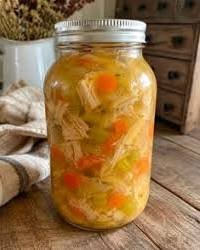
Making a warm pot of homemade chicken vegetable soup is one of the simplest and most rewarding things you can do in your own kitchen. This recipe brings together tender pieces of chicken, colorful everyday vegetables, aromatic herbs, and a clear, savory broth that feels nourishing from the very first spoonful. You do not need fancy cooking tools or years of experience in the kitchen to get a great result here. Everything cooks in one pot with basic ingredients you can easily pick up at a local grocery store or market. Whether you are cooking a quiet weeknight dinner for yourself, feeding a busy family, or preparing a soothing bowl for someone who feels under the weather, this chicken vegetable soup recipe gives you a reliable method you can come back to again and again.
People love chicken vegetable soup for so many reasons, starting with how comforting and balanced it tastes on the palate. The gentle richness of the chicken pairs naturally with sweet carrots, earthy celery, savory onions, and tender greens, while light seasoning keeps the flavors clean rather than heavy. Many home cooks also love how forgiving this dish is because you can adjust the vegetables based on what is sitting in your fridge or what is fresh in the season. It feels wholesome and filling without leaving you weighed down, which makes it a favorite across ages and cultures. For beginners, seeing simple chopped vegetables and raw chicken turn into a fragrant, golden broth gives a real boost of confidence in cooking from scratch.
There are so many moments in daily life when a pot of chicken vegetable soup just feels right. Emotionally, a warm bowl of soup has a quiet way of slowing down a stressful day, offering comfort when you feel tired, lonely, or worn out from work or errands. Taste wise, it hits that cozy spot between savory, herbal, and mildly sweet, especially when you serve it piping hot with a slice of crusty bread or warm toast. From a fitness and wellness angle, it is a smart choice when you want lean protein, hydration, and plenty of fiber and vitamins in one satisfying meal without heavy cream or excess oil. Whenever you want something gentle on the stomach, nourishing for your body, and deeply comforting for your mood, this recipe is ready for you.
Cooking from scratch can sometimes feel intimidating when recipes use big words or complicated steps, so this guide keeps things clear, friendly, and practical. You will learn how to prep your ingredients neatly, layer flavors in the right order, simmer the chicken so it stays juicy instead of dry, and season the broth so every bite tastes lively. Along the way, you will also find helpful ideas for switching up herbs, adding extra texture, and storing leftovers safely for busy days ahead. Grab a large pot, clear a little counter space, and enjoy the calm rhythm of making a classic chicken vegetable soup that feels genuinely homemade.
Ingredients You Will Need
-
2 tablespoons olive oil or unsalted butter
-
500 grams boneless, skinless chicken breasts or chicken thighs, cut into bite sized pieces
-
1 medium yellow onion, finely diced
-
3 medium carrots, peeled and sliced into coins or half moons
-
2 stalks celery, trimmed and chopped into small pieces
-
3 cloves garlic, peeled and finely minced
-
1 medium potato, peeled and cut into small cubes
-
1 cup green peas, fresh or frozen
-
1 cup chopped green beans or zucchini, cut into bite sized pieces
-
1.5 liters low sodium chicken broth or homemade chicken stock
-
250 milliliters water, plus extra if needed while simmering
-
1 teaspoon dried thyme or 1 tablespoon fresh thyme leaves
-
1 teaspoon dried oregano or dried Italian seasoning
-
1 bay leaf
-
1 teaspoon salt, plus more to taste at the end
-
0.5 teaspoon ground black pepper
-
2 tablespoons fresh parsley, finely chopped for garnish
-
1 tablespoon fresh lemon juice, optional for serving
Step by Step Method
Step 1: Prep All Ingredients Before Turning on the Stove
Start by washing your hands and clearing a comfortable space on your counter. Wash all fresh vegetables under cool running water, pat the chicken dry with a clean kitchen towel, and cut everything into roughly even, bite sized pieces. Cutting vegetables to a similar size helps them cook evenly so the carrots and potatoes are tender at the same time without turning mushy. Keeping your chopped onion, carrots, celery, garlic, potato, green beans, peas, and chicken in small bowls or neat piles makes cooking calm and stress free.
Step 2: Warm the Pot and Cook the Chicken
Place a large heavy bottomed pot or Dutch oven on the stove over medium heat and add the olive oil or butter. Once the oil shimmers or the butter melts and stops foaming, add the chicken pieces in a single layer as much as possible. Sprinkle a pinch of salt and black pepper over the chicken, then let it cook for about 4 to 5 minutes, stirring once or twice, until the outside turns white and lightly golden. It does not need to be cooked all the way through yet because it will finish cooking gently in the broth later.
Step 3: Build Flavor with Onion, Carrots, Celery, and Potato
Push the chicken slightly to one side of the pot or scoop it onto a plate for a moment if your pot feels crowded. Add the diced onion, sliced carrots, chopped celery, and cubed potato into the pot with a small pinch of salt. Cook and stir these vegetables for about 5 to 6 minutes over medium heat until the onion looks soft and translucent and the kitchen begins to smell sweet and savory. Taking a few extra minutes here builds a rich base flavor that makes simple soup taste like it simmered all afternoon.
Step 4: Stir in Garlic and Dried Herbs
Add the minced garlic, dried thyme, dried oregano, and bay leaf to the pot with the vegetables. Stir constantly for about 30 to 45 seconds so the garlic becomes fragrant without burning or turning bitter. Garlic cooks fast, especially once the pot is hot, so keep your spoon moving and get ready to pour in the liquid right away.
Step 5: Pour in the Broth and Water and Bring to a Gentle Boil
Pour in the chicken broth and water, using your wooden spoon to scrape up any tasty browned bits stuck to the bottom of the pot. Add the remaining salt and black pepper, then turn the heat up to medium high until the liquid starts to bubble. Once it reaches a boil, turn the heat down to low so the soup settles into a gentle, steady simmer rather than a hard, rolling boil.
Step 6: Simmer Until Tender and Add the Final Vegetables
Cover the pot with a lid slightly cracked or keep it uncovered on low heat and let the soup simmer for about 15 minutes. Check the chicken, carrots, and potato with a fork to see if the chicken is cooked through and white inside and the vegetables are tender. Stir in the green peas and chopped green beans or zucchini, then simmer uncovered for another 5 minutes until those softer vegetables are bright and tender.
Step 7: Taste, Adjust, and Garnish Before Serving
Turn off the heat and fish out the bay leaf so nobody bites into it later. Taste a spoonful of the broth carefully after letting it cool for a few seconds, and add more salt, black pepper, or a squeeze of fresh lemon juice if the flavor needs a lift. Stir in the fresh chopped parsley right before ladling the soup into warm bowls so it stays bright green and fresh.
Why This Recipe Is Special
This chicken vegetable soup recipe stands out because it balances everyday simplicity with genuine nourishment and clean flavor. Many store bought soups taste overly salty or rely on thickeners that hide the natural taste of real food. Here, real vegetables, aromatic herbs, and savory broth do the heavy lifting, giving you a clear, comforting soup that tastes fresh and homemade. Because you control the salt, oil, and portion sizes in your own kitchen, it is easy to fit this meal into a balanced routine without feeling restricted.
From a health standpoint, each bowl offers a helpful mix of lean protein from the chicken and dietary fiber, vitamins, and minerals from the vegetables. Chicken provides protein that helps keep you feeling full and supports muscle maintenance, while carrots, greens, peas, celery, and potatoes bring helpful nutrients like vitamin A, potassium, and antioxidants. The warm broth also supports hydration, which is especially welcome on chilly days, busy afternoons, or times when your appetite feels light. It is a practical meal for people watching their weight, supporting general wellness, or simply wanting a lighter dinner after heavier weekend meals.
Taste is where this soup truly wins hearts, even among picky eaters or kids who sometimes shy away from vegetables. Cooking the onion, carrots, and celery gently at the beginning brings out a natural sweetness that softens any sharp edges. A touch of thyme and oregano adds a warm, cozy aroma, while a splash of lemon juice at the end wakes up the whole pot right before serving. The result is familiar, soothing, and satisfying without feeling heavy or greasy.
Extra Tips for Better Taste
-
Use Bone In Chicken for Richer Broth: If you have extra time, simmer bone in chicken thighs or a small chicken leg quarter in the broth, then remove the meat, shred it off the bone, and return the meat to the pot for deeper body and flavor.
-
Finish with Acid or Fresh Herbs: A squeeze of fresh lemon juice, a splash of apple cider vinegar, or extra fresh dill, parsley, or cilantro right at the end brightens the soup and makes the flavors pop.
-
Swap Vegetables Based on What You Have: Try adding spinach, kale, sweet corn, diced bell peppers, or leeks in place of some of the listed vegetables so you never waste produce in your fridge.
-
Add Grains or Pasta Carefully: If you want a heartier bowl, stir in cooked rice, quinoa, barley, or small pasta shapes near the end of cooking, and keep a little extra broth handy since grains soak up liquid as they sit.
-
Do Not Overboil the Soup: Keeping the pot at a gentle simmer keeps the chicken tender and prevents the vegetables from breaking apart into mush.
-
Let Flavors Rest for Ten Minutes: Letting the soup sit off the heat for 10 minutes before serving allows the herbs, broth, and vegetables to meld together even better.
Final Thoughts
Cooking homemade chicken vegetable soup is one of the kindest habits you can build in the kitchen, whether you are making it for a quiet night in or sharing a warm table with people you care about. Every time you chop a carrot, stir a simmering pot, and taste a spoonful of fresh broth, you are practicing a skill that brings comfort and independence into daily life. Do not worry if your vegetable cuts are not uniform or if you swap an ingredient to match what is in your pantry. Good home cooking is about warmth, care, and enjoyment, and this simple soup welcomes you right where you are.
Nutrition Details
Nutrition values below are estimates calculated for the full recipe and per serving assuming 4 servings total, using boneless skinless chicken breast, 2 tablespoons olive oil, low sodium chicken broth, and the listed vegetables without optional lemon juice garnish. Actual numbers can vary based on exact ingredient brands, cut sizes, and optional additions.
| Nutrient | Full Recipe (Estimate) | Per Serving (1 of 4) | Notes |
| Calories | 1,280 kcal | 320 kcal | Moderate calorie, filling meal |
| Protein | 124 g | 31 g | Mostly from lean chicken and peas |
| Total Carbohydrates | 96 g | 24 g | From potato, carrots, peas, and veggies |
| Dietary Fiber | 18 g | 4.5 g | Supports digestion and fullness |
| Total Sugars | 18 g | 4.5 g | Naturally occurring in vegetables |
| Total Fat | 42 g | 10.5 g | From olive oil or butter and chicken |
| Saturated Fat | 8 g | 2 g | Lower if using olive oil and breast meat |
| Sodium | 2,400 mg | 600 mg | Depends on broth and added salt |
| Potassium | 2,280 mg | 570 mg | From potatoes, broth, and greens |
| Vitamin A | High | High | Mainly from carrots and greens |
| Vitamin C | Moderate | Moderate | From vegetables and fresh parsley |
Disclaimer
This article is shared for general cooking and informational purposes only and is not medical, nutritional, or health advice. Everyone’s body, health history, digestion, allergies, and daily nutritional needs are different, so individual results or reactions to any food or recipe may change from person to person. If you have specific medical conditions, dietary restrictions, food allergies, or questions about what is best for your personal health, please check with a qualified doctor or registered dietitian.