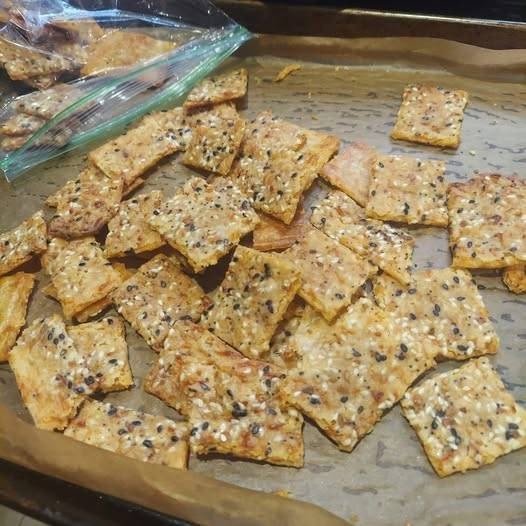
The sourdough homemade seeded crackers recipe is one of the easiest and most rewarding snacks you can make right inside your own kitchen. If you bake sourdough bread at home, you probably know the feeling of having too much sourdough discard sitting inside your glass jar in the fridge. Throwing away that bubbly flour and water mixture feels wasteful, especially when flour costs money and you put effort into feeding your starter every single week. This recipe turns that extra sourdough discard into thin, golden, crispy crackers packed with crunchy seeds and warm savory flavors. You do not need any fancy kitchen machines, expensive molds, or years of baking experience to pull off this simple snack. All you really need is one mixing bowl, a simple rolling pin, a baking sheet, and a few basic pantry staples that you likely already keep in your kitchen cabinets. Within less than an hour from start to finish, your kitchen will smell like a warm artisan bakery, and you will have a huge batch of crunchy crackers ready to enjoy with your favorite dips, cheeses, or soups.
People everywhere fall in love with these homemade sourdough seeded crackers because the texture and flavor blow store bought boxes completely out of the water. Most crackers you buy at the grocery store are made with refined white flour, cheap vegetable oils, artificial flavor enhancers, and way too much sodium that leaves your mouth feeling dry. When you bake your own seeded crackers using sourdough starter, you get a deep, slightly tangy flavor that pairs wonderfully with the nutty crunch of toasted sesame, flax, sunflower, and pumpkin seeds. Every single bite gives you a satisfying snap that holds up well even when you scoop thick hummus, creamy cheese spreads, or chunky guacamole. Kids love crunching on them after school, adults enjoy serving them on cheese boards when guests come over for dinner, and home bakers feel proud knowing they made something so delicious from scratch. Once you taste how fresh, earthy, and flavorful these homemade crackers are, going back to plain cardboard tasting crackers from a plastic wrapper becomes almost impossible.
There are so many great moments and reasons to whip up a fresh batch of this sourdough homemade seeded crackers recipe during your busy week. On the emotional side, baking something simple and tactile with your hands helps melt away stress after a long day at work or school, giving you a calm and cozy kitchen activity that ends with a tasty reward. If you care about your health and fitness goals, these crackers offer a smart way to enjoy crunchy snacks without empty calories or hidden sugars. The mix of healthy seeds brings natural plant protein, good fats, and plenty of dietary fiber to keep your stomach full and your energy steady between meals. Plus, the natural fermentation in the sourdough starter helps break down grains so your body can digest them much more easily than regular baked snacks. Whether you want a healthy afternoon snack at your desk, a crunchy side for your warm bowl of tomato soup on a rainy evening, or a crowd pleasing appetizer for a weekend family gathering, this recipe fits every mood and occasion.
Making this recipe also brings a wonderful sense of smart, zero waste living into your daily cooking routine, which feels truly satisfying for any home cook. Instead of feeling guilty every time you pour excess starter down the drain or into the trash bin, you start looking forward to feeding your starter just so you can bake another tray of these savory seed crackers. You can easily adjust the herbs, spices, and seed combinations based on whatever jars you have sitting in your pantry at that moment, making every batch feel fresh and exciting. Beginners especially appreciate how forgiving this dough is compared to shaping a tall loaf of sourdough bread, because you do not have to worry about oven spring, steam, or long overnight proofing times. Even if your rolled dough has rustic uneven edges or slightly different shapes after cutting, those little imperfections actually make the crackers look charming and handmade. By the time you pull that golden tray out of the oven and hear the gentle crackle of cooling seeds, you will understand why thousands of home bakers keep this simple recipe saved as a weekly favorite.
Ingredients You Will Need
To make about 48 medium square crackers, gather these simple ingredients on your kitchen counter before you start mixing. Using a kitchen scale is great if you have one, though standard measuring cups and spoons work just fine too.
-
Sourdough discard: 1 cup (240 grams), unfed and straight from the fridge or at room temperature
-
Whole wheat flour: 1/2 cup (60 grams), for a hearty nutty flavor and extra fiber
-
All purpose flour: 1/2 cup (65 grams), to help keep the crackers light and crisp
-
Melted butter or olive oil: 3 tablespoons (45 milliliters), cooled slightly so it mixes smoothly
-
Raw sunflower seeds: 3 tablespoons (25 grams), unsalted
-
Raw pumpkin seeds (pepitas): 3 tablespoons (25 grams), roughly chopped if very large
-
White or black sesame seeds: 2 tablespoons (18 grams), for classic toasted crunch
-
Whole flax seeds: 2 tablespoons (20 grams), brown or golden both work great
-
Poppy seeds: 1 tablespoon (9 grams), for tiny bursts of texture
-
Fine sea salt: 1/2 teaspoon (3 grams), mixed directly into the dough
-
Garlic powder: 1/2 teaspoon (1.5 grams), for gentle savory warmth
-
Dried rosemary or Italian herbs: 1 teaspoon (1 gram), crushed lightly between your fingers
-
Flaky sea salt: 1/2 teaspoon (2 grams), for sprinkling on top right before baking
-
Water: 1 to 2 tablespoons (15 to 30 milliliters), only if the dough feels too dry to come together
Step by Step Method
Follow these easy steps carefully, and you will end up with thin, golden, super crunchy crackers on your very first try.
1. Prepare your baking supplies and oven Start by turning your oven on to 350 degrees Fahrenheit (175 degrees Celsius) so it gets nice and hot while you make the dough. Place your oven rack right in the center position so the heat moves evenly around the pan. Take a large flat baking sheet and cut two pieces of parchment paper that fit the size of the pan. Having two sheets of parchment paper ready makes rolling out the dough completely stick free and super easy for beginners.
2. Mix the wet ingredients and sourdough discard Grab a medium mixing bowl and pour in your 1 cup of sourdough discard. Add the 3 tablespoons of melted butter or extra virgin olive oil into the bowl with the starter. Take a fork or a sturdy wooden spoon and stir them together for about thirty seconds until the mixture looks smooth, creamy, and well blended. Do not worry if your sourdough discard is cold from the refrigerator, as it will still mix well once you stir it thoroughly.
3. Add the flours, seeds, and seasonings Pour the whole wheat flour, all purpose flour, fine sea salt, garlic powder, and crushed dried herbs directly into the bowl with your wet mixture. Next, dump in the sunflower seeds, pumpkin seeds, sesame seeds, flax seeds, and poppy seeds. Use your wooden spoon or clean hands to fold and press everything together until a soft ball of dough forms. If you see dry flour at the bottom of the bowl that refuses to stick, add water one teaspoon at a time until all the crumbs join the main dough ball. The dough should feel soft and pliable, similar to playdough, without feeling wet or sticky on your fingers.
4. Rest the dough briefly Cover the bowl with a clean kitchen towel or a plate and let the dough rest on the counter for about 10 to 15 minutes. Letting the dough sit gives the flours and flax seeds time to soak up moisture from the sourdough starter. This short rest also relaxes the gluten in the flour, which means the dough will not shrink back when you try to roll it flat later.
5. Roll the dough paper thin Place one sheet of parchment paper flat on your kitchen counter and put the rested ball of dough right in the center. Press the dough down gently with the palm of your hand into a flat disk. Lay your second sheet of parchment paper directly on top of the dough disk so the dough is sandwiched between the two papers. Grab a rolling pin and roll outward from the center in all directions until the dough spreads out into a very thin, even rectangle about 1/16 inch thick. Try to make the edges just as thin as the middle so all your crackers bake at the exact same speed.
6. Peel, score, and season the top Carefully peel off the top sheet of parchment paper and set it aside. Lightly brush the surface of the thin dough with a tiny bit of olive oil or water using a pastry brush or your fingertips, which helps the topping stick. Sprinkle your flaky sea salt evenly over the entire sheet of dough, pressing down very gently with your palm so the salt crystals stay put. Now take a pizza cutter, a sharp kitchen knife, or a pastry wheel and slice the dough into neat squares or rectangles about 1.5 inches wide. You do not need to separate the pieces, because slicing lines right through the dough makes them snap apart cleanly after baking. Finally, poke each square once or twice with the tines of a fork to stop big air bubbles from puffing up inside the oven.
7. Bake until golden brown and crisp Slide the bottom sheet of parchment paper holding your cut crackers onto your baking sheet. Place the pan on the middle rack of your preheated oven and bake for 20 to 25 minutes. Around the 15 minute mark, open the oven door and rotate the baking sheet from front to back so the crackers brown evenly on all sides. Watch them closely during the last five minutes because thin crackers can go from golden brown to burnt very quickly. You know they are done when the edges look deep golden brown, the seeds smell wonderfully toasted, and the center crackers feel firm to the touch.
8. Cool completely before storing Take the baking sheet out of the oven and let the crackers sit right on the warm pan for 5 minutes. Then slide the parchment paper onto a wire cooling rack and let the crackers cool down completely for at least 20 minutes. As they cool, any tiny bit of remaining moisture evaporates, turning the crackers extra crisp and snappy. Once they reach room temperature, snap them along your cut lines and store them inside an airtight glass jar or container at room temperature for up to two weeks.
Why This Recipe Is Special
This sourdough homemade seeded crackers recipe stands out from regular snack recipes because it brings together great nutrition, wonderful texture, and smart kitchen habits in one simple pan. First, let us talk about the amazing flavor and crunch you get from every single bite. Most crackers rely solely on flour and fat for taste, which can quickly feel boring on your tongue. Here, the tangy background note of fermented sourdough balances out the rich, buttery crunch of five different toasted seeds. As the sunflower, pumpkin, sesame, flax, and poppy seeds roast inside the hot oven, their natural oils warm up and release a deep nutty aroma that makes these crackers taste like they came from an expensive specialty food shop.
From a health and wellness view, these crackers pack real nutrition into a small, satisfying snack. Store bought crackers often spike your blood sugar quickly because they use stripped white flour with almost zero fiber. By combining whole wheat flour with nutrient dense seeds, you give your body a steady source of dietary fiber, plant based protein, and heart healthy omega fatty acids. Flax seeds and pumpkin seeds supply important minerals like magnesium, zinc, and iron that support daily energy and immune health. Even better, the wild yeast and friendly bacteria in your sourdough starter naturally pre digest some of the starches and phytic acid found in grains and seeds. Many people who normally feel bloated or heavy after eating regular wheat snacks find that sourdough baked goods sit much lighter and calmer in their stomachs.
Another reason this recipe feels so special is how much money and food waste it saves in a home kitchen. Buying a small box of artisan seeded crackers at a health food store often costs six to eight dollars for just a handful of pieces. Making this recipe at home costs pennies per serving because it uses leftover sourdough discard that you would otherwise throw in the trash. You also gain complete control over the quality of your ingredients, avoiding hidden preservatives, palm oil, refined sugars, and artificial colors. It is a wholesome, honest recipe that feels good to make and even better to share with people you care about.
Extra Tips for Better Taste
Once you master the basic dough, you can easily play around with new flavors and creative toppings to keep your snack jar exciting every single week. Here are some fun, simple ideas to take your homemade crackers to the next level:
-
Make an everything bagel version: Skip the dried rosemary and instead sprinkle 2 tablespoons of everything bagel seasoning over the top of the rolled dough before baking. This gives you an instant savory breakfast or brunch cracker that tastes incredible with plain cream cheese and sliced cucumber.
-
Add sharp aged cheese: Mix 1/3 cup of finely grated Parmesan cheese, aged white cheddar, or sharp Gruyere directly into the dough along with the flour. The cheese melts and crisps up inside the oven, creating rich, savory crackers that taste like gourmet cheese crisps.
-
Try a warm spicy kick: Stir 1/2 teaspoon of smoked paprika, a pinch of cayenne pepper, or 1/4 teaspoon of crushed red pepper flakes into the dry ingredients. The gentle heat pairs amazingly well with cool sour cream dips, guacamole, or sharp cheddar slices.
-
Swap in sweet and warm spices: If you want a slightly sweet cracker for dipping into peanut butter, apple butter, or Greek yogurt, leave out the garlic and herbs. Instead, add 1 tablespoon of pure maple syrup or honey to the sourdough starter along with 1 teaspoon of ground cinnamon.
-
Toast your seeds beforehand: For an even deeper roasted flavor, place your sunflower and pumpkin seeds in a dry skillet over medium heat for 3 minutes until they smell fragrant, then let them cool before mixing them into the dough.
-
Fix soft crackers easily: If your crackers ever lose a bit of their crunch after sitting in a humid kitchen for a few days, simply spread them back onto a baking sheet and bake them at 300 degrees Fahrenheit for 5 minutes. Once they cool down again, they will taste just as crispy as the day you baked them.
-
Use brown butter for nutty richness: Instead of using regular melted butter, cook your butter in a small pan over medium heat for 4 minutes until it foams and turns golden brown with little toasted milk solids at the bottom. Let it cool slightly before mixing it with your sourdough starter for an unforgettable nutty flavor.
Final Thoughts
Baking your own sourdough homemade seeded crackers is one of those small kitchen victories that brings huge joy to everyday life. You take humble pantry ingredients and leftover starter that might have gone to waste, spend just fifteen minutes mixing and rolling, and pull out a golden tray of crunchy, wholesome goodness. Whether you enjoy them plain right off the cooling rack, pack a small handful in your lunch bag for an afternoon energy boost, or arrange them neatly on a wooden board alongside fresh fruit and cheese for friends, these crackers always impress. Do not worry if your first batch has slightly uneven corners or rustic shapes, because homemade food tastes best when it looks made with love rather than stamped out by a factory machine. Grab your jar of sourdough discard, preheat your oven, and enjoy the simple pleasure of making crispy, delicious seeded crackers from scratch today.
Nutrition Details
The nutrition values below are estimates calculated for the entire recipe batch and for a standard single serving size of 6 crackers (based on cutting the dough into 48 equal crackers using olive oil). Values can shift slightly depending on the exact thickness of your sourdough starter and the specific seeds or fats you choose to use.
Disclaimer
The nutritional numbers and general wellness tips shared in this article are provided purely for educational and informational purposes. Every person has a unique body, metabolism, and digestive system, so how your body responds to sourdough, grains, or seeds may differ from someone else. If you have celiac disease, a known gluten sensitivity, seed allergies, or specific medical dietary needs, please consult a qualified doctor or registered dietitian before trying new recipes. Results in the kitchen can also vary slightly based on your oven temperature, room humidity, and the hydration level of your personal sourdough starter.