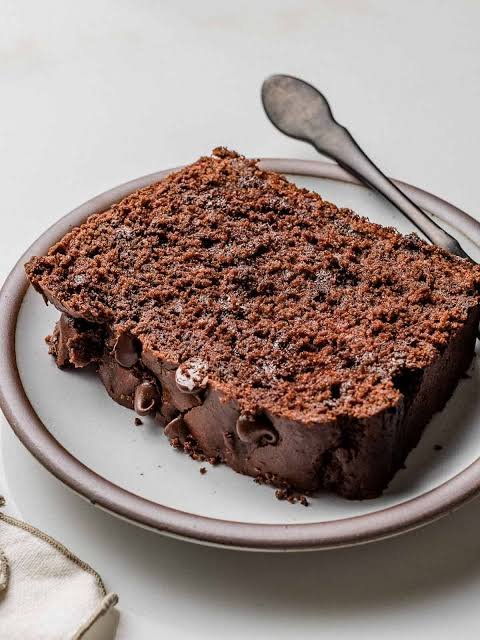
Sourdough bread has taken kitchens all over the world by storm because it combines ancient baking tradition with modern comfort food cravings. When you think about classic sourdough, you likely imagine a crispy golden crust, a soft airy middle, and a slightly sour flavor that pairs wonderfully with salted butter or savory soups. However, baking becomes an absolute game changer when you take that traditional fermentation process and infuse it with rich cocoa powder and decadent chocolate chips. This recipe is all about elevating a simple loaf of artisan bread into a deeply satisfying chocolate treat that feels luxurious while keeping the natural goodness of wild yeast intact. You do not need to be a professional pastry chef to master this loaf because the step by step approach breaks down every single action into clear and simple movements that anyone can follow right in their home kitchen. By combining the slow fermentation of wild yeast with rich chocolate flavors, you get a beautiful loaf that bridges the gap between classic artisanal bakery style bread and an indulgent weekend treat.
People absolutely fall in love with this double chocolate loaf because it strikes a perfect balance between subtle sweetness and rich deep cocoa flavor without feeling heavy like a cake. Traditional sweet treats often rely on massive amounts of refined white sugar, heavy frostings, or artificial flavorings that leave you feeling overly full or lethargic after just a few bites. In sharp contrast, this bread uses dark cocoa powder and rich chocolate chips to create a sophisticated taste profile that is pleasantly sweet yet grounded in the rustic depth of fermented flour. Every bite offers a lovely contrast between the firm outer crust and the amazingly soft interior studded with melted pockets of chocolate. When you slice into a fresh loaf while it is still warm, the melted chocolate creates beautiful visual swirls that instantly make your mouth water and make the entire baking process feel incredibly rewarding. It is the kind of recipe that makes your home smell like a high end bakery, drawing family members into the kitchen with its irresistible warm aroma.
There are so many wonderful reasons and special occasions to bake this loaf, ranging from quiet cozy weekend mornings to festive family gatherings where you want to impress your guests. Baking bread is a deeply soothing and emotional experience that allows you to slow down, disconnect from busy modern screens, and focus on creating something honest and nourishing with your own hands. The process of watching a simple mixture of flour, water, and starter transform into a massive bubbling dough brings a genuine sense of pride and joyful anticipation. If you are looking at fitness or general wellness, opting for a long fermented chocolate sourdough is a brilliant way to satisfy your sweet tooth while still feeding your body whole ingredients. Long fermentation breaks down complex starches and gluten proteins, making the final loaf much easier on your digestive system compared to standard quick breads bought at the grocery store. Whether you serve it toasted with peanut butter after a tough workout or enjoy a slice alongside your morning coffee on a rainy Sunday, this bread fits seamlessly into a balanced lifestyle.
You will find that baking this loaf brings a tremendous amount of joy because it turns basic kitchen staples into a extraordinary visual and culinary experience. The rich brown color of the dough looks stunning on your kitchen counter, and the process of scoring the top with a sharp blade before it goes into the hot oven feels like pure artwork. It serves as a wonderful centerpiece for holiday brunches, a thoughtful homemade gift for neighbors, or simply a comforting snack to share with your loved ones after a long week. Children love the rich chocolate taste, while adults appreciate the complex sourdough undertones and rustic texture. No matter your motivation for stepping into the kitchen, this double chocolate sourdough recipe promises a rewarding baking journey that fills your heart with warmth and your home with an unforgettable cozy scent.
Ingredients You Will Need
To create this incredible loaf, you need simple whole ingredients that come together to form a rich dough and a sweet melt in your mouth texture.
For the Main Dough
-
Active Sourdough Starter (bubbly and fed): 100 grams
-
Warm Water (filtered, around 80 degrees Fahrenheit): 350 grams
-
Unbleached Bread Flour: 400 grams
-
Dutch Processed Cocoa Powder (unsweetened): 50 grams
-
Fine Sea Salt: 10 grams
-
Pure Honey or Maple Syrup: 30 grams
For the Chocolate Mix In
-
Dark Chocolate Chips or Chopped Semi Sweet Chocolate: 150 grams
Step by Step Method
Follow these easy steps sequentially to prepare, ferment, shape, and bake your double chocolate sourdough loaf from scratch.
Step 1: Mix the Liquid Base and Starter
In a large glass or ceramic mixing bowl, add your warm water and active sourdough starter. Use a fork or a wooden spoon to whisk the two together until the starter completely dissolves into the water, creating a milky brown liquid base. Add the honey or maple syrup to this liquid and stir well so the natural sweetener is evenly distributed throughout the mixture.
Step 2: Combine the Dry Ingredients
In a separate medium bowl, whisk together the unbleached bread flour, Dutch processed cocoa powder, and fine sea salt until there are no clumps of cocoa remaining. Pour this dry flour mixture directly into your bowl of wet ingredients. Use a sturdy spatula or your hands to mix everything together until all the dry flour is absorbed and a shaggy dough forms. Cover the bowl with a damp towel and let it rest for 30 minutes. This resting phase is called autolyse, and it helps the flour hydrate properly.
Step 3: Perform Stretch and Folds
After the resting period, it is time to build strength in your dough through gentle stretches rather than heavy traditional kneading. Reach into the bowl with wet hands, grab one side of the dough, gently pull it upwards, and fold it over the top toward the center. Rotate the bowl a quarter turn and repeat this lifting and folding motion. Do this four times around the bowl to complete one set. Cover the dough and let it rest for 30 minutes. Repeat this stretch and fold process three more times over the next two hours, waiting 30 minutes between each set.
Step 4: Lamination and Adding Chocolate Chips
During your final set of stretch and folds, lightly mist your kitchen counter with a little water. Turn the soft dough out onto the damp surface. Gently stretch the dough outwards into a large, thin rectangle using your fingers, taking care not to tear it. Evenly scatter your dark chocolate chips or chopped semi sweet chocolate across the entire surface of the stretched dough. Fold one third of the dough over the middle, then fold the other side over, like folding a business letter. Roll the dough up into a neat cylinder so all the chocolate chips are trapped safely inside.
Step 5: Bulk Fermentation
Place the chocolate filled dough ball back into your clean mixing bowl and cover it tightly with plastic wrap or a wet cloth. Allow the dough to sit at warm room temperature for about 4 to 6 hours. During this bulk fermentation phase, the wild yeast will consume the natural sugars, creating carbon dioxide bubbles that expand the dough. You will know it is ready when the dough has grown by roughly 50 percent in size, feels light and puffy, and shows small air bubbles under the surface.
Step 6: Shape the Loaf
Lightly dust your counter with a small amount of bread flour. Turn the fermented dough out onto the counter and gently shape it into a smooth round ball or an oval shape, depending on your baking vessel. Work the edges of the dough under itself to create tension on the outer skin. Let the shaped dough rest on the counter uncovered for 10 minutes so the surface dries out slightly.
Step 7: Proofing in the Basket
Dust a proofing basket or a medium bowl lined with a clean cotton towel with a generous amount of rice flour or bread flour. Carefully pick up your shaped dough loaf and place it upside down into the lined basket, so the smooth top rests at the bottom. Cover the basket loosely with a towel or plastic bag. Transfer the basket into your refrigerator to cold proof for 12 to 16 hours overnight. This cold sleep slows down yeast activity while developing a rich sour flavor and making the dough much easier to score before baking.
Step 8: Preheat Your Oven and Dutch Oven
The next morning, place your heavy Dutch oven with its lid on onto the middle rack of your oven. Preheat the oven to 450 degrees Fahrenheit for a full 45 to 60 minutes so the heavy pot becomes extremely hot.
Step 9: Score and Bake
Remove your dough basket directly from the refrigerator. Cut a piece of parchment paper and place it over the top of the basket, then flip the basket over so the dough rests right side up on the paper. Use a very sharp razor blade or a bread lame to score a deep slash across the top of the dough. This opening allows steam to escape controlled and gives your loaf a beautiful rise. Carefully remove the scorching hot Dutch oven from your oven, lift the dough using the parchment paper edges, and drop it into the hot pot. Place the lid back on top immediately.
Step 10: Bake and Cool Completely
Bake the loaf with the lid on for 30 minutes at 450 degrees Fahrenheit to trap steam and create a beautiful crispy crust. After 30 minutes, remove the lid, reduce the oven temperature to 410 degrees Fahrenheit, and bake uncovered for another 15 to 20 minutes until the crust turns dark and sturdy. Carefully remove the bread from the pot and let it cool on a wire rack for at least two full hours before slicing. Slicing too early while it is hot can cause the inside to become gummy.
Why This Recipe Is Special
This double chocolate sourdough recipe stands out because it blends rich indulgence with remarkable nutritional advantages. Standard chocolate bakery items are packed with high amounts of processed sugars, artificial additives, and chemical leavening agents that can leave you feeling sluggish. In contrast, this loaf relies on wild yeast fermentation to break down phytic acid, an antinutrient naturally found in grains that often blocks mineral absorption. As a result, your body can absorb essential nutrients like iron, magnesium, and zinc much more efficiently.
The long fermentation process also breaks down complex carbohydrates and gluten proteins into simpler amino acids. This natural transformation makes sourdough remarkably gentle on the stomach, allowing many people who experience discomfort from commercial white bread to enjoy this loaf without digestive distress. The inclusion of unsweetened cocoa powder and dark chocolate brings powerful antioxidants into your diet, specifically flavonoids that support heart health and promote a balanced mood.
Beyond health benefits, the taste profile of this bread is truly unique. You get the complex, slightly tangy notes of fermented artisan bread paired with the deep, woody richness of unsweetened Dutch cocoa. The scattered chocolate chips melt during baking, creating soft, warm pockets of sweetness that contrast beautifully with the crisp outer crust. It provides a luxurious sensory experience that satisfies sweet cravings using simple, wholesome ingredients.
Extra Tips for Better Taste
To make your baking experience even more successful, keep these creative and helpful suggestions in mind.
Use High Quality Cocoa and Chocolate
Because cocoa powder provides the structural chocolate flavor of the entire dough, using high grade Dutch processed cocoa powder makes a massive difference. Dutch process cocoa has a neutral acidity, a darker rich color, and a smoother flavor profile compared to natural cocoa. For the mix in, use chocolate chips with at least 60 percent cocoa content to balance sweetness with depth.
Boost the Flavor with Espresso Powder
Adding just one teaspoon of instant espresso powder or fine instant coffee to your dry flour mixture will not make your bread taste like coffee. Instead, coffee acts as a natural flavor enhancer that deepens the cocoa notes, making the chocolate taste remarkably richer and more intense.
Add Toasted Nuts or Dried Fruit
If you want to add extra texture, consider folding in 80 grams of toasted chopped walnuts, pecans, or dried sour cherries alongside the dark chocolate chips during the lamination step. The crunch of toasted nuts or the tartness of dried cherries creates a bakery quality loaf with wonderful texture variations.
Master the Toasting Technique
This chocolate loaf makes the most phenomenal toast you will ever eat. Slice a piece, toast it until the edges are extra crispy and the chocolate chips re melt, and immediately spread a layer of salted butter, creamy almond butter, or fresh ricotta cheese over the top. The combination of warm melted chocolate and cold salted spread is pure perfection.
Final Thoughts
Baking your own sourdough double chocolate loaf is a deeply satisfying process that turns simple pantry ingredients into a warm, rustic masterpiece. It allows you to embrace the slow art of traditional baking while treating yourself and your loved ones to something truly special and delicious. Do not feel rushed or worried if your first loaf is not visually perfect, because every single attempt teaches you more about dough feel, timing, and temperature control. Slice into your fresh homemade loaf with pride, share it around your kitchen table, and enjoy every single rich chocolatey bite.
Nutrition Details
Here is an estimated nutritional breakdown per single serving slice, assuming a standard loaf cut into twelve equal slices.
| Nutritional Component | Value Per Serving (1 Slice) |
| Serving Size | 1 Slice (approx 70g) |
| Total Calories | 210 kcal |
| Carbohydrates | 38 grams |
| Dietary Fiber | 3.5 grams |
| Total Sugars | 8 grams |
| Protein | 6 grams |
| Total Fat | 4.5 grams |
| Saturated Fat | 2.5 grams |
| Sodium | 320 milligrams |
| Iron | 2.2 milligrams |
| Potassium | 140 milligrams |
Disclaimer
Please keep in mind that everyone’s body, health conditions, and dietary needs are different, so individual nutritional results may vary. The values provided in the nutrition table are general estimates based on standard recipe calculators and average ingredient sizes. If you have specific medical conditions, severe gluten sensitivities, or strict dietary requirements, please consult with a qualified medical professional or registered dietitian before introducing new foods into your routine.