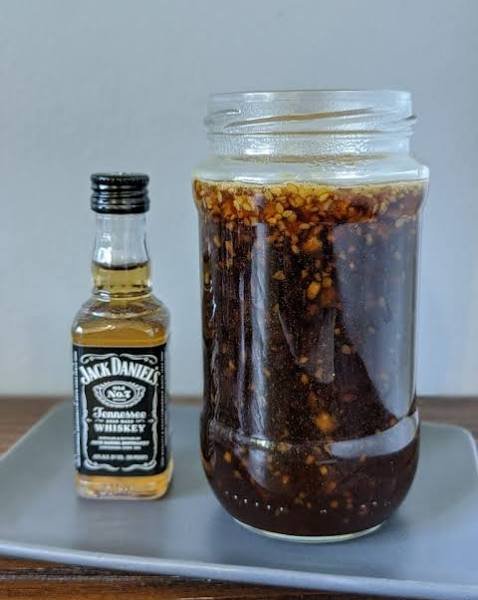
This homemade canned Jack Daniel’s whiskey sauce recipe gives you a rich, glossy glaze that you can seal in jars or cans for easy meals anytime. Instead of buying pricey bottles or paying extra at a steakhouse, you can cook a big batch on your stove in one pot using everyday pantry staples. The sauce blends sweet fruit juice, dark brown sugar, savory soy sauce, tangy vinegar, and smooth Tennessee whiskey into a balanced glaze that clings to food without tasting harsh. Because you simmer it until thick and syrupy, the sharp edge of the liquor softens while keeping its warm oak and caramel notes alive. Whether you brush it over grilled chicken wings, roasted ribs, baked tofu, or veggie skewers, it turns plain food into something mouthwatering with very little kitchen skill. You do not need fancy chef tools or rare spices to pull this off, which makes it a dream recipe for home cooks who want big flavor without stress. Canning or jarring extra batches also means future busy nights become much faster because a ready made flavor boost is waiting right on your shelf.
People fall in love with this sauce because it hits every taste bud at once in a way that feels comforting and bold. You get gentle sweetness from brown sugar and pineapple juice, deep savory umami from soy sauce and garlic, a bright tang from vinegar or lemon, and a subtle smoky warmth from the whiskey. Many folks first taste a glaze like this at casual grill restaurants and wish they could recreate that sticky restaurant magic at home. Making your own batch lets you control the sweetness, heat, and thickness so it matches your exact mood and crowd. It also smells incredible while simmering on the stove, filling your kitchen with cozy aroma long before dinner is on the table. Best of all, one single jar works as a cooking glaze, a dipping sauce for crispy snacks, or a drizzle over grain bowls and roasted vegetables.
You can make this sauce whenever you want to turn an ordinary weeknight dinner into a celebration without spending hours in the kitchen. On a busy Tuesday after work, spooning warm whiskey glaze over baked chicken thighs or pan seared mushrooms brings instant comfort and joy after a long day. On weekends, friends gathering around the grill or watching a big game love sticky ribs, sliders, and crispy fries coated in sweet smoky sauce. If you are tracking fitness goals or meal prepping lean proteins like chicken breast, turkey meatballs, or tempeh, a small measured brush of glaze adds big satisfaction so healthy meals never feel boring. Canning a batch on a quiet Sunday afternoon also gives you a rewarding sense of accomplishment and saves you time during hectic weeks ahead. Whenever you crave bold flavor, homemade comfort, or smart meal prep, this recipe is ready to help.
Ingredients You Will Need
Gather these simple ingredients before you turn on the stove so cooking stays smooth and relaxed. This batch makes about 2 cups of thick glaze, which fills two half pint jars or cans with a little left over to taste test.
-
Jack Daniel’s Tennessee Whiskey: 1/2 cup (120 ml) for warm oak, caramel, and smoky depth.
-
Dark brown sugar: 1 cup (200 g), packed, for rich molasses sweetness and shine.
-
Pineapple juice: 1 cup (240 ml) unsweetened juice (or juice squeezed from canned crushed pineapple) for sweet fruit balance.
-
Tomato ketchup or tomato paste: 1 cup (240 g) ketchup (or 1/2 cup tomato paste mixed with 1/2 cup water) for body and tang.
-
Apple cider vinegar: 2 tablespoons (30 ml) to brighten the rich sugars.
-
Soy sauce: 2 tablespoons (30 ml) low sodium soy sauce for savory depth.
-
Worcestershire sauce: 1 tablespoon (15 ml) for extra savory complexity.
-
Garlic: 4 cloves finely minced (or 1 teaspoon garlic powder) for warm savory flavor.
-
Onion powder: 1 teaspoon (3 g) for sweet aromatic roundness.
-
Smoked paprika: 1 teaspoon (2.5 g) for a gentle campfire finish.
-
Cayenne pepper: 1/4 teaspoon (0.5 g) for mild back of the throat warmth (optional).
-
Salt: 1/2 teaspoon (3 g) fine sea salt, adjusted to taste.
-
Black pepper: 1/2 teaspoon (1 g) freshly ground black pepper.
-
Cornstarch: 1 tablespoon (8 g) mixed with 2 tablespoons (30 ml) cold water (optional slurry if you want extra thick glaze fast).
Step by Step Method
Follow these steps slowly and carefully so your sauce cooks evenly, stays safe to can or jar, and turns glossy instead of burnt.
-
Prep your workspace and jars: Wash two clean half pint canning jars or glass jars with tight lids in hot soapy water and rinse well. If you plan to water bath can the sauce for shelf storage, set up your water bath pot and rack now so hot water is ready when the sauce finishes.
-
Measure every ingredient first: Pour out the whiskey, pineapple juice, ketchup, vinegar, soy sauce, and Worcestershire sauce into small bowls or measuring cups. Mince the garlic and set out the brown sugar, spices, and salt so you do not rush while heat is on.
-
Warm the base liquids gently: Place a heavy bottomed medium saucepan over medium heat. Pour in the pineapple juice, ketchup, apple cider vinegar, soy sauce, and Worcestershire sauce, stirring with a wooden spoon or silicone spatula until smooth.
-
Stir in the brown sugar and spices: Add the packed dark brown sugar, minced garlic, onion powder, smoked paprika, cayenne pepper, salt, and black pepper to the pan. Stir steadily until the sugar dissolves completely and the sauce begins to bubble gently around the edges.
-
Add the whiskey with care: Turn the heat down slightly to medium low, step back an arm length, and pour in the Jack Daniel’s whiskey. Stir well so it blends evenly into the warm sauce.
-
Simmer to mellow and thicken: Lower the heat to a gentle simmer so tiny bubbles pop across the surface without splattering wildly. Let the sauce cook uncovered for 25 to 35 minutes, stirring every few minutes so the bottom never scorches. Most of the alcohol cooks off during simmering while leaving rich whiskey flavor behind.
-
Check the thickness: Dip a metal spoon into the sauce and lift it up. When the sauce coats the back of the spoon and leaves a clear line when you swipe a clean finger across it, it is thick enough. If it still looks watery after simmering, stir in the cornstarch and cold water mixture, bring to a gentle bubble for 2 minutes, and stir until glossy.
-
Taste and fine tune: Turn off the heat and let the sauce rest for 3 minutes, as hot sauce tastes sharper than warm sauce. Taste carefully and add a pinch more salt for balance, a splash of vinegar for brightness, or a tiny pinch of cayenne for extra kick.
-
Fill your jars or cans: Ladle the hot sauce into your clean jars, leaving about 1/2 inch of empty space (headspace) at the top. Wipe the jar rims clean with a damp cloth so no sticky sugar blocks the seal, then place the lids on and tighten fingertip snug.
-
Preserve or chill: For pantry shelf storage, process filled half pint jars in a boiling water bath for 10 minutes (adjusting time if you live at high altitude following safe home canning guidelines), then lift them out and let them cool undisturbed for 12 to 24 hours until the lids pop and seal. If you prefer simple fridge storage without canning gear, let the jars cool to room temperature and refrigerate for up to 3 weeks.
Why This Recipe Is Special
What makes this sauce stand out from store bought bottles is the balance between sweet comfort and bold character. Many commercial sauces rely heavily on corn syrup or artificial smoke flavor, which can taste flat or overly sugary after a few bites. Here, dark brown sugar and fruit juice bring natural depth while vinegar and savory seasonings keep every bite lively. Simmering the whiskey slowly lets its warm toasted notes blend right into the glaze instead of hitting your palate like straight liquor.
From a health and wellness viewpoint, making sauce at home puts you back in charge of what goes into your food. You can pick low sodium soy sauce, choose 100% pineapple juice with no added sweeteners, and keep spice levels mild so your stomach feels good. Because the sauce packs so much flavor into a small spoonful, a little goes a long way on grilled chicken, fish, roasted cauliflower, or lean beef. That helps you enjoy rich, savory meals while keeping portions reasonable and avoiding heavy cream sauces.
The taste itself is pure crowd pleasing magic. It starts sweet and tangy, warms up with gentle spice and savory garlic, and finishes with a smooth roasted glaze that sticks nicely to food on the grill or in the oven. Beginners love it because the steps are forgiving and easy to watch with your eyes. Once you see the sauce thicken and shine in the pan, you will feel like a pro cook right in your own kitchen.
Extra Tips for Better Taste
Once you master the base recipe, small tweaks let you tailor every batch to your favorite dishes and cooking style.
-
Brush near the end on grills or broilers: Because this sauce contains sugar, brushing it on during the final 5 to 8 minutes of grilling or baking prevents burning while creating a sticky, shiny crust.
-
Swap in apple juice for softer fruitiness: Replace half or all of the pineapple juice with unsweetened apple juice when glazing pork chops or roasted squash for a milder orchard flavor.
-
Add crushed pineapple for chunky texture: Stir in 2 tablespoons of finely crushed pineapple during the last 10 minutes of simmering if you love little bursts of sweet fruit in your glaze.
-
Boost smokiness without extra heat: Add a few drops of liquid smoke or use sweet smoked Spanish paprika if you want deeper barbecue character without making the sauce spicy.
-
Turn leftovers into a quick dipping sauce: Whisk 2 tablespoons of the cooled sauce with 2 tablespoons of plain Greek yogurt or mayonnaise for a creamy dip for oven fries, nuggets, or raw veggies.
-
Roast the garlic first for extra sweetness: If you have extra oven time, roast whole garlic cloves until soft and mash them into the sauce for a mellow, buttery garlic note.
Final Thoughts
Cooking homemade whiskey sauce is one of the easiest ways to bring big restaurant flavor into your everyday kitchen without feeling overwhelmed. With simple ingredients, clear steps, and a little patience at the stove, you end up with a glossy glaze that makes simple meals feel special. Whether you keep a jar in the fridge for quick dinners or can a few extra for busy weeks ahead, this recipe is a fun, dependable staple you will come back to again and again. Happy cooking, and enjoy every delicious bite!
Nutrition Details
The table below shows estimated nutrition values for the entire batch (about 2 cups or 32 tablespoons total) and per 2 tablespoon (30 ml) serving based on standard ingredient averages. Actual numbers vary depending on exact brands, how much liquid cooks off, and whether you use cornstarch or optional toppings.
| Nutrient | Per 2 Tablespoon Serving (Approx. 30 ml) | Full Batch (Approx. 2 Cups / 32 Tbsp) | Notes for Home Cooks |
| Calories | 58 kcal | 928 kcal | Mostly from brown sugar and fruit juice |
| Total Fat | 0.1 g | 1.6 g | Naturally very low in fat |
| Saturated Fat | 0.0 g | 0.2 g | Virtually fat free |
| Trans Fat | 0 g | 0 g | Zero added trans fat |
| Cholesterol | 0 mg | 0 mg | Plant based sauce ingredients |
| Sodium | 145 mg | 2,320 mg | Varies with soy sauce and ketchup brand |
| Total Carbohydrates | 13.5 g | 216 g | Main source of energy and glaze shine |
| Dietary Fiber | 0.2 g | 3.2 g | Trace fiber from tomato and garlic |
| Total Sugars | 11.8 g | 189 g | From brown sugar, pineapple, and ketchup |
| Protein | 0.3 g | 4.8 g | Small amount from soy and garlic |
| Alcohol Content | Trace (mostly cooked off) | Trace (mostly cooked off) | Simmering reduces alcohol, though traces can remain |
Disclaimer
This article is for general cooking and informational purposes only and is not medical, nutrition, or professional health advice. Everyone’s body is different, and personal health needs, allergies, sensitivities, blood sugar responses, and dietary goals can vary widely. Because trace amounts of alcohol may remain even after simmering and the recipe contains added sugars and sodium, people who avoid alcohol, manage diabetes or blood pressure, have food allergies, are pregnant or nursing, or follow special medical diets should review ingredients carefully and consult a qualified healthcare professional or registered dietitian before making changes to their diet. Results and individual tolerance may vary.